There’s a comforting story people tell about factory downtime: a belt snapped, a motor burned out, a part wore down. Something broke, so production stopped.
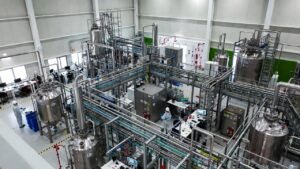
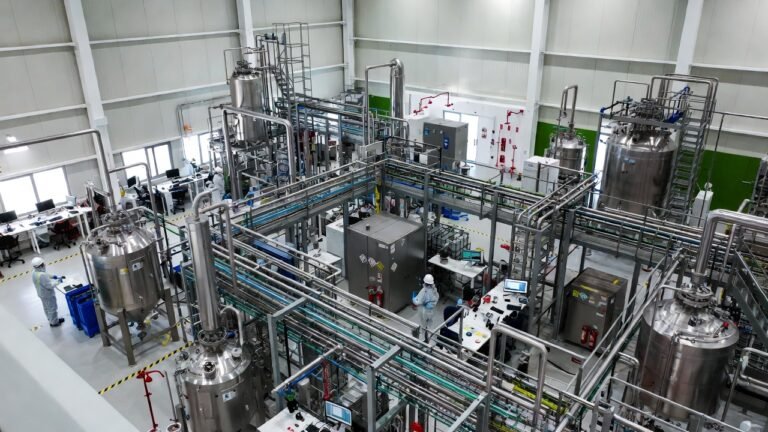
At a high-volume Midwest pet food plant, we went looking for that story in the data. What we found was far more common — and far more expensive.
Most of the damage didn’t start on the plant floor.
It started at a keyboard.
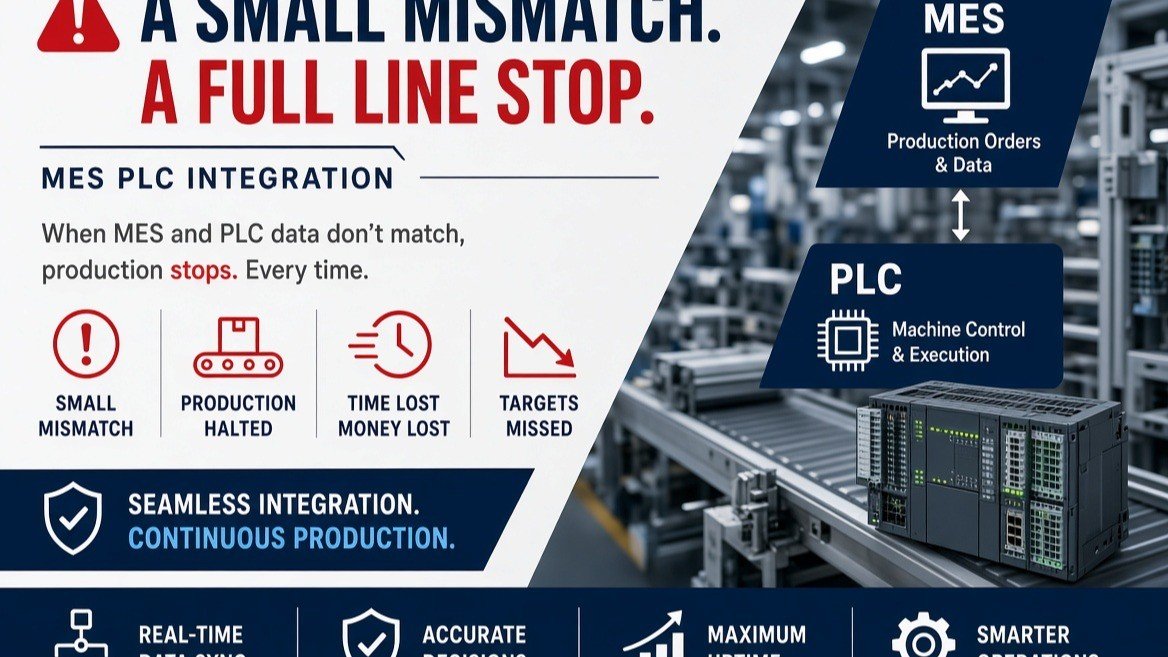
A small mismatch in the recipe formulation system (BESTMIX) — an unmapped ingredient, a version conflict, a bin assignment that no longer matched physical reality — traveled silently into the MES and PLCs. By the time the line stopped, the real cause was already hours or days old.
When we built a full causal model of the plant’s alarm and event history (90 days, 136,000+ alarms, 280,000 detail records), three findings stood out:
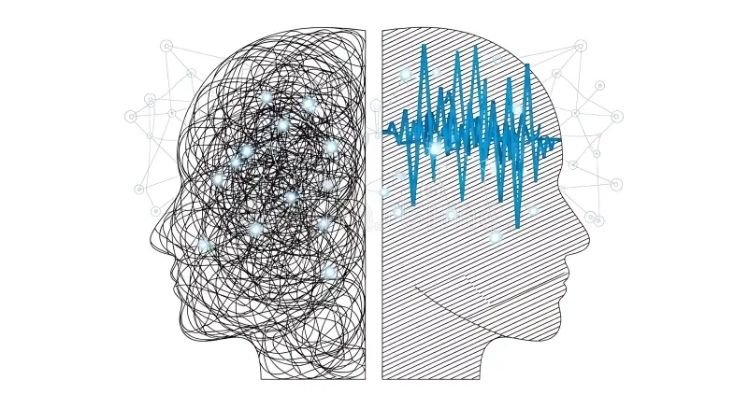
96% of the “activity” was noise. An automated process was hammering protected settings ~10 times per second with no authenticated operator. It generated an estimated 82,000 extra records every day — burying real signals under pure noise.
Operators were being blamed for a broken interface. Median digital “acknowledgment” time looked like 20+ minutes. Actual physical response time on the floor was 3 minutes. The system was measuring the wrong thing.
The loudest alarms were not the costliest. Two packaging machines generated 75% of alarms, yet generic analog sensors sitting outside misconfigured limits had accumulated over 30,000 hours of standing alarm time. Volume and impact are not the same.
The pattern was consistent: unvalidated data entering the system corrupts the plant’s ability to tell real problems from fake ones. Operators stop trusting the screens. Maintenance chases the wrong signals. And a formulation typo eventually becomes a halted line.
The fix is not more manual review.
It is removing the manual bridge as the point of failure.
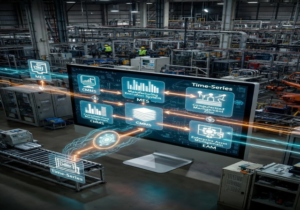
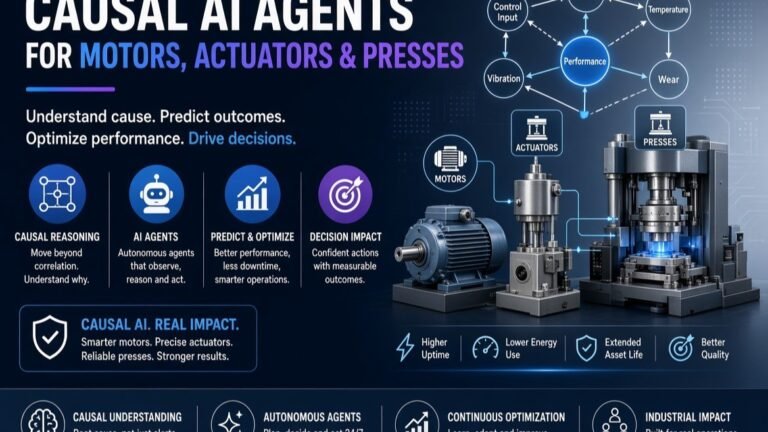
We deployed a coordinated set of AI agents between the recipe system and the plant’s control layer. These agents continuously:
- Detect new or changed formulas
- Validate every ingredient and parameter against the plant’s own physical reference tables
- Explain discrepancies in plain language
- Propose reconciliations with clear rationale
- Build control-ready sequences automatically
- Commit only after validation — with full version history
Routine updates run automatically. Anything that would introduce a genuinely new material still requires human approval. And because the system retains memory of past decisions, the same mismatch no longer has to be solved from scratch every time.
The same discipline that fixed the recipe handoff also cleaned the alarm data at the source — filtering the write-storm and requiring authenticated sessions for every database write.
The broader lesson is simple:
The honest measure of a problem is not how often it happens, but how much time and trust it costs.
When you treat the plant as a causal system instead of a collection of alarm counts, the data stops being a source of noise and blame — and becomes a genuine diagnostic tool.
That’s the difference between reacting to downtime and preventing the conditions that create it.
Visit https://intelligentshopfloor.com
#CausalAI #IndustrialAI #SmartManufacturing #FoodProcessing #MES #SCADA #AlarmManagement #OperationalExcellence #DigitalTransformation #IntelligentShopfloor
Originally posted on LinkedIn: https://www.linkedin.com/pulse/small-mismatch-full-line-stop-sanjay-mazumder-eb6oc