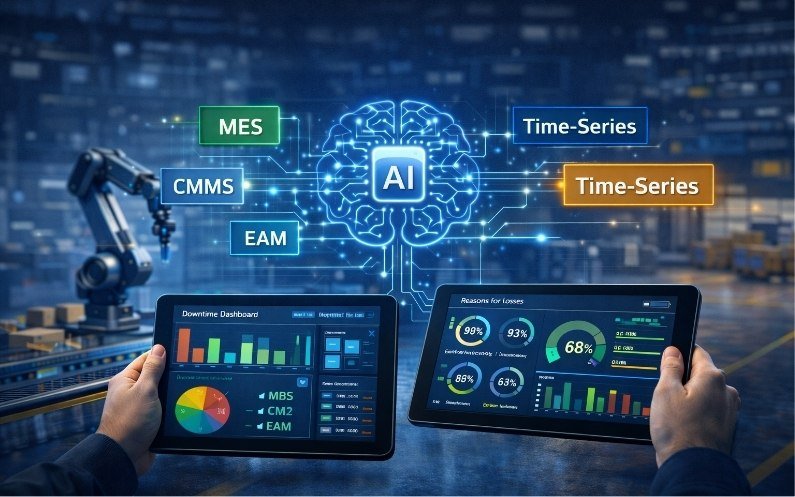
Manufacturing organizations today generate massive volumes of operational data across systems such as MES, CMMS, EAM, and industrial time-series platforms. Yet despite this abundance of data, many critical decisions on the factory floor are still driven by intuition, experience, or fragmented reports rather than by unified, actionable insights.
Data-driven decision making aims to change this—by transforming existing operational data into intelligence that directly supports better, faster, and more confident decisions.
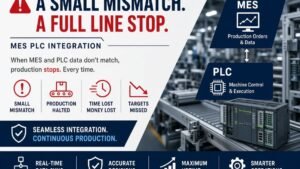
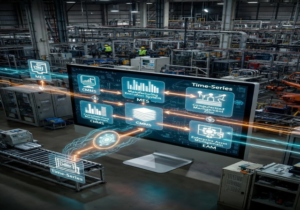
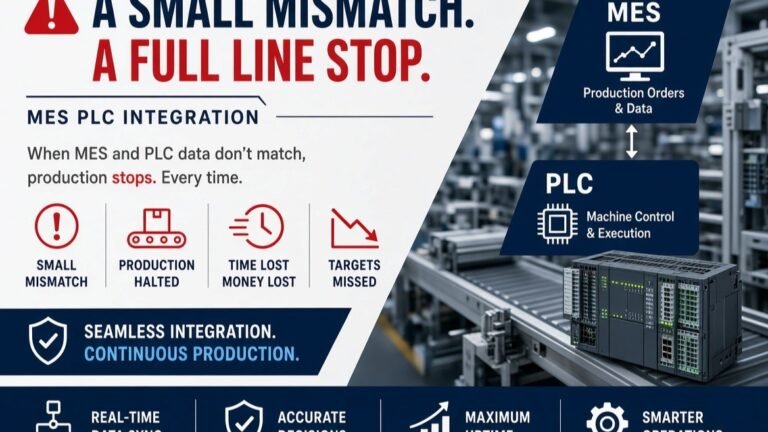
Most manufacturing environments operate with siloed systems. MES tracks production execution, CMMS and EAM manage assets and maintenance, while historians and time-series platforms capture machine behavior. Although each system is valuable on its own, they often lack a shared context.
As a result:
-
Insights are retrospective rather than actionable
-
Root causes remain unclear due to fragmented views
-
Decisions are delayed while teams reconcile conflicting data
-
Valuable tribal knowledge stays locked in individuals’ experience
Traditional analytics and dashboards describe what happened, but they rarely explain why it happened or what should be done next.
How AI Unlocks Value from Existing Operational Data
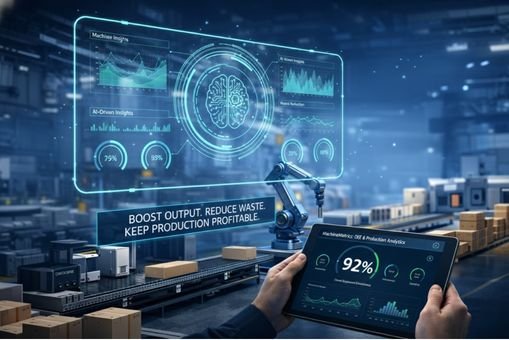
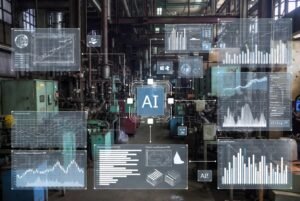
Modern AI technologies make it possible to extract far more value from existing manufacturing data—without replacing current systems. By ingesting data from MES, CMMS, EAM, and time-series sources, AI platforms can connect events, conditions, and outcomes across the entire operation.
AI enables:
-
Continuous analysis of machine, process, and maintenance data
-
Detection of hidden relationships across systems
-
Identification of leading indicators before issues escalate
-
Decision support that goes beyond static reports
Importantly, this approach builds on data manufacturers already trust and rely on.
From Data to Decisions: Moving Beyond Prediction
Predictive analytics has helped manufacturers anticipate failures or forecast outcomes. However, prediction alone does not explain why something is likely to happen or how different actions may change the result.
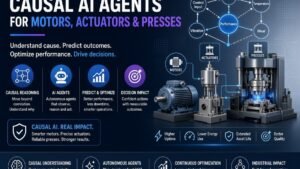
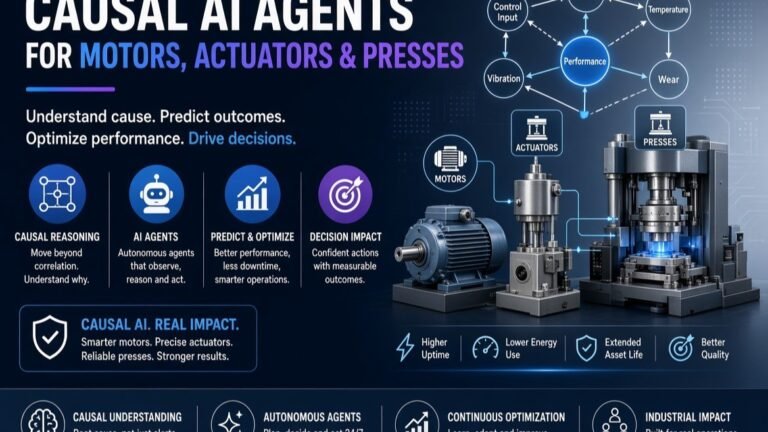
Advanced AI—especially causal and decision-focused approaches—helps teams reason about cause-and-effect relationships. This allows manufacturing teams to:
-
Diagnose the true drivers behind downtime, quality loss, or inefficiency
-
Evaluate alternative actions before implementing changes
-
Understand trade-offs between cost, risk, and throughput
-
Make decisions that are explainable and defensible
This shift—from prediction to decision intelligence—is critical for complex, high-variability manufacturing environments.
Practical Use Cases on the Factory Floor
Data-driven decision making powered by AI supports a wide range of operational use cases, including:
-
Root cause analysis of quality deviations and yield loss
-
Maintenance prioritization using asset condition and failure context
-
Evaluation of process changes before deployment
-
Downtime analysis across machines, shifts, and jobs
-
Knowledge capture from past incidents and resolutions
By unifying data across systems, teams gain a shared understanding of problems and solutions.
Building Trust Through Explainable AI
For AI-driven decisions to be adopted on the factory floor, trust is essential. Manufacturing teams need transparency, not black-box recommendations.
Explainable AI ensures that:
• Insights are traceable to data and assumptions
• Recommendations can be reviewed and challenged
• Decisions align with engineering and operational logic
• Human expertise remains central to the process
This balance between automation and human judgment is essential to successful adoption.